Comp 1
Needs price and acres
—
Add a positive price and acreage to score this comp
Add your land comps, score how trustworthy they are, and turn the strongest sales into a raw price-per-acre and subject-value range you can explain.
Free comp quality checker
Score each sale for evidence quality, see the raw price-per-acre range, and get a shortlist of what to verify next.
Comp 1
—
Add a positive price and acreage to score this comp
Comp 2
—
Add a positive price and acreage to score this comp
2 of 6 comp rows
Directional worksheet only. It does not replace an appraisal, title work, a survey, engineering, or legal advice.
Land comps get unreliable when every nearby parcel is treated as equal. Start wide enough to find evidence, then narrow the set using the facts a buyer would notice first.
1. Find
Favor recent sales with a similar likely use. Keep pending and active listings in a separate context bucket.
2. Verify
Confirm access, utilities, usable acreage, buildability, zoning, restrictions, terrain, and premium features.
3. Rank
Normalize price per acre, flag the weak rows, and explain why any older, distant, or mismatched sale still belongs.
Match the hard-to-fix value drivers before cosmetic similarities. A parcel with the same acreage can still be a poor comp if its access, utility path, or usable area is materially better.
Public road, recorded private road, easement, or unclear/landlocked access.
Power, public water/sewer, well feasibility, septic path, and realistic connection cost.
Usable area, slope, drainage, flood context, wetlands, soil, rock, and site constraints.
Permitted use, density, setbacks, HOA or deed restrictions, and minimum build size.
Total acres, buildable acres, parcel shape, frontage, and subdivision potential.
Distance to town, road quality, views, water, trail access, schools, and buyer demand.
Use MLS or brokerage sold history when it is available, then verify the parcel facts against public records and primary mapping sources. Do not rely on a listing description alone.
Find county assessor, recorder, tax, parcel-size, ownership, and property-class records.
Check mapped flood context before treating two parcels as equally usable or buildable.
Review soil context that may affect agriculture, drainage, septic assumptions, or site usability.
Know when a preliminary seller analysis should become a qualified appraisal assignment.
County GIS layers, tax records, and listing fields can be incomplete or outdated. Confirm critical access, title, survey, utility, and permitting questions with the responsible professional or agency.
Avoid false precision. Use the worksheet to identify the direction of an adjustment, then document the evidence behind it. The biggest land-value gaps usually appear in this order:
Resolve landlocked risk, road quality, usable area, slope, flood/wetland context, and site feasibility first.
Compare realistic power, water, sewer/septic, zoning, restriction, and permitting paths.
Use price per acre as a check, but do not assume a 1-acre lot and a 40-acre tract trade at the same rate.
Apply views, water frontage, mature timber, improvements, or recreation premiums only after the basics align.
A raw comp range is a starting point, not a final opinion of value. Use the strongest sales to define the evidence band, then choose a listing strategy based on confidence, market pace, and how well the subject compares.
Use when speed matters or the subject has unresolved access, utility, buildability, or title questions.
Use when the evidence is consistent and the subject is broadly similar to the strongest comps.
Use only when verified features and presentation clearly support a premium over the core comp set.
The Pro Land Pricing Calculator adds acreage normalization, subject-to-comp comparisons, confidence weighting, listing strategy, and a downloadable pricing report.
Estimate my land value with compsAfter pricing, show the potential
Turn a land photo into realistic concept visuals for a home, cabin, retreat, subdivision, seasonal view, or other buyer use. Keep the concept disclosure clear and separate from feasibility claims.
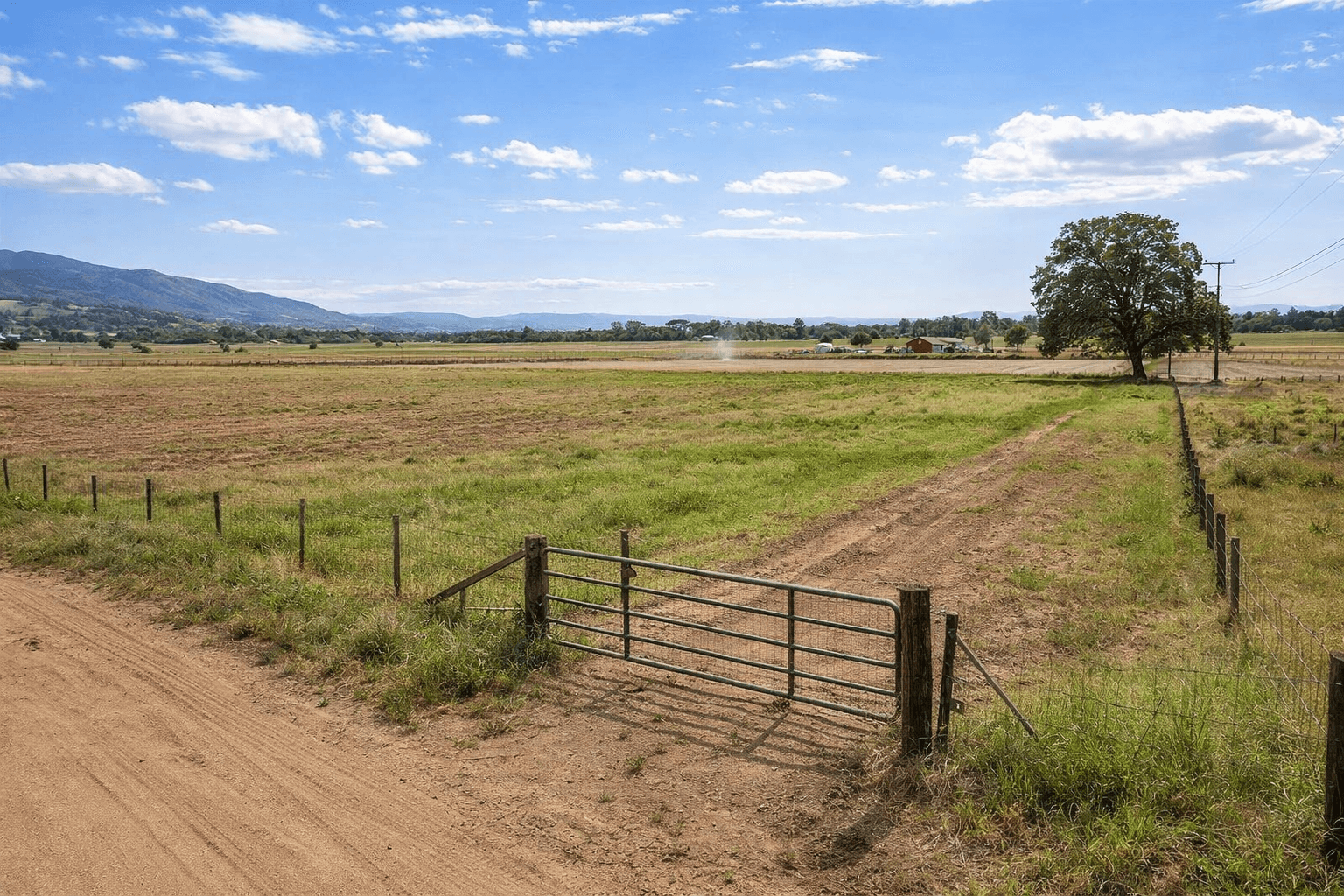 Before
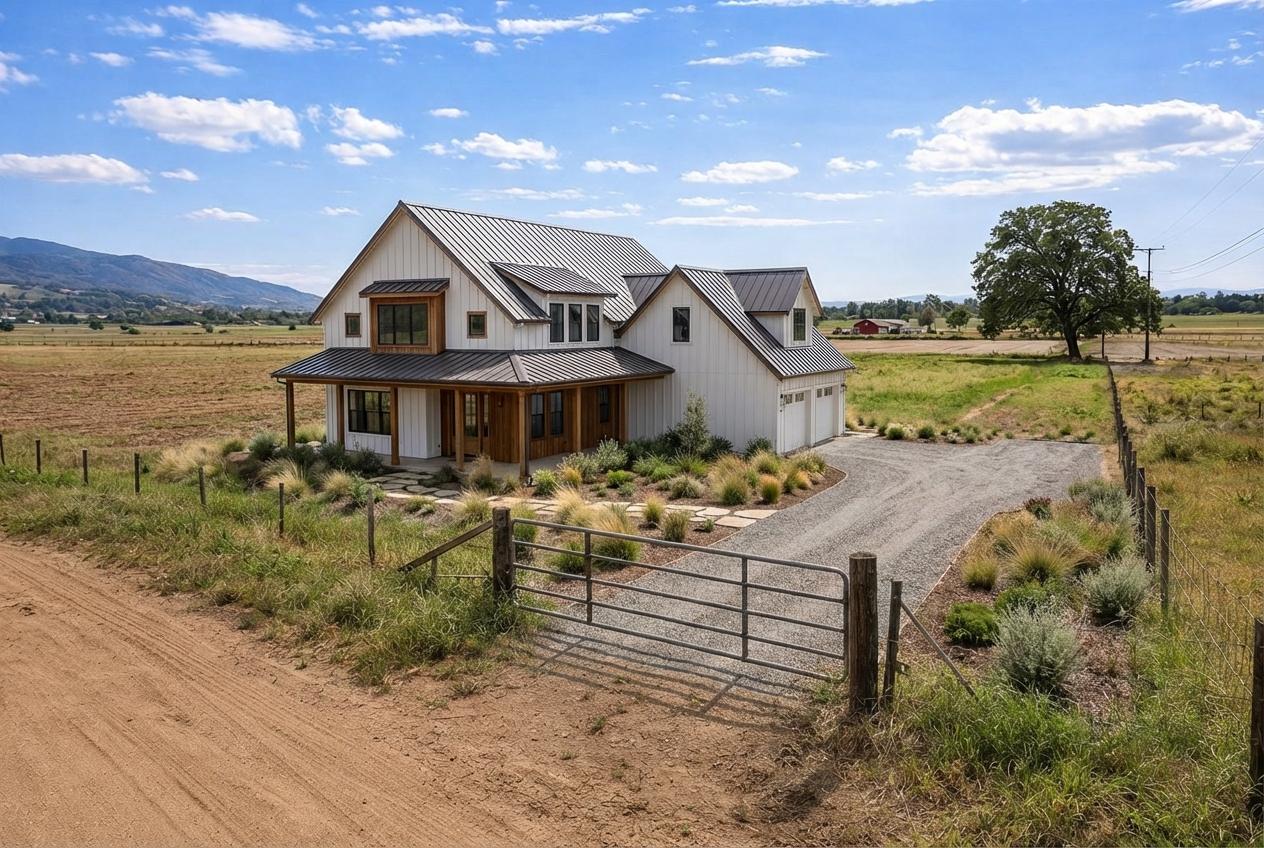 Concept visual
Aim for three to five verified closed sales. In a thin rural market, use the best available sales, disclose the wider search area or older dates, and lower your confidence instead of pretending weak evidence is precise.
Use active listings as competition and price context, not as proof of market value. Their asking prices have not been accepted by buyers. Replace them with closed sales when possible.
Start with sales from the last six to twelve months. If the market is thin, extend the date range carefully and explain how market conditions changed between the sale date and today.
No. Price per acre is a useful normalization check, but access, utilities, buildability, zoning, usable acreage, terrain, restrictions, views, and water features can create large differences between parcels.
No. It organizes preliminary listing evidence. Use a qualified appraiser when the value must support lending, tax, estate, legal, or other high-stakes decisions.
Keep going with the most relevant next reads.

Pricing & Comps
How to Price Land: Formula, Comps, and Listing Strategy
Learn how to price vacant land with sold comps, price-per-acre checks, access and utility adjustments, and a clear listing strategy.

Pricing & Comps
Free Land Pricing Calculator and Land Value Estimator
Use this free land value calculator to estimate vacant land value from acreage, access, utilities, terrain, market conditions, price-per-acre anchors, and sold comps.
Selling Basics
Land Due Diligence Checklist: What Buyers Verify (and What Sellers Should Prepare)
A land due diligence checklist for smoother deals: access, zoning, utilities, surveys, soil, restrictions, and common red flags.

Selling Basics
How to Sell Vacant Land: Step-by-Step Guide (For Agents and Owners)
A practical, end-to-end guide to selling vacant land faster: pricing, prep, marketing, buyer questions, and a checklist you can reuse.