Land pricing is hard because the value is not obvious. A home has bedrooms and finishes buyers can compare. Land has access, utilities, topography, zoning, and future potential that buyers interpret differently.
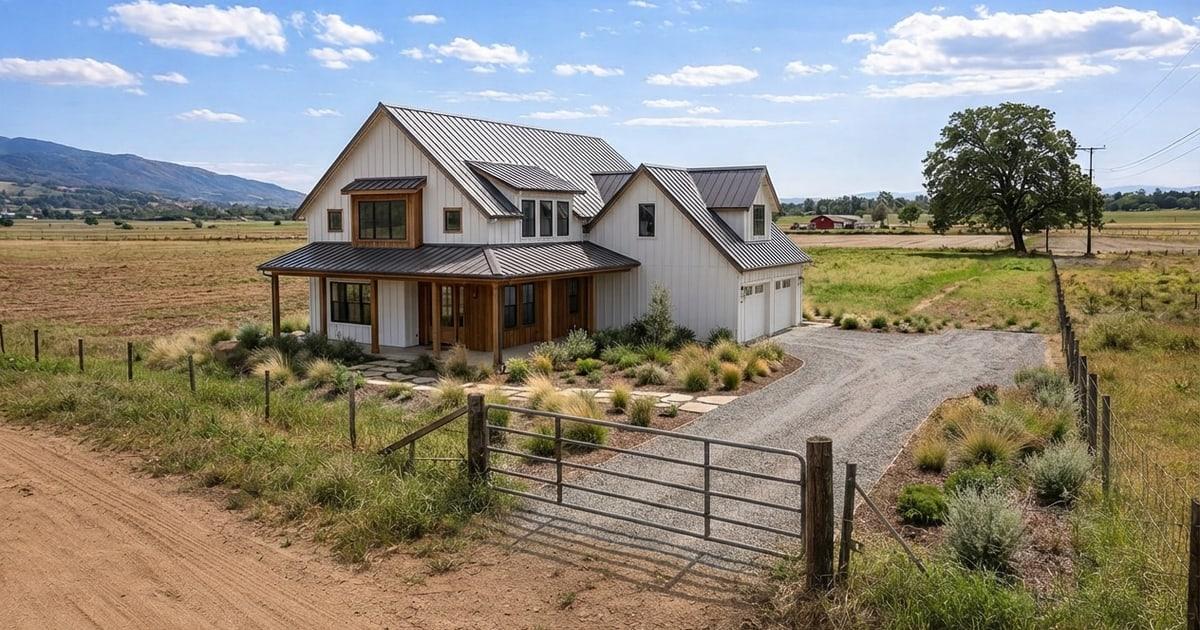
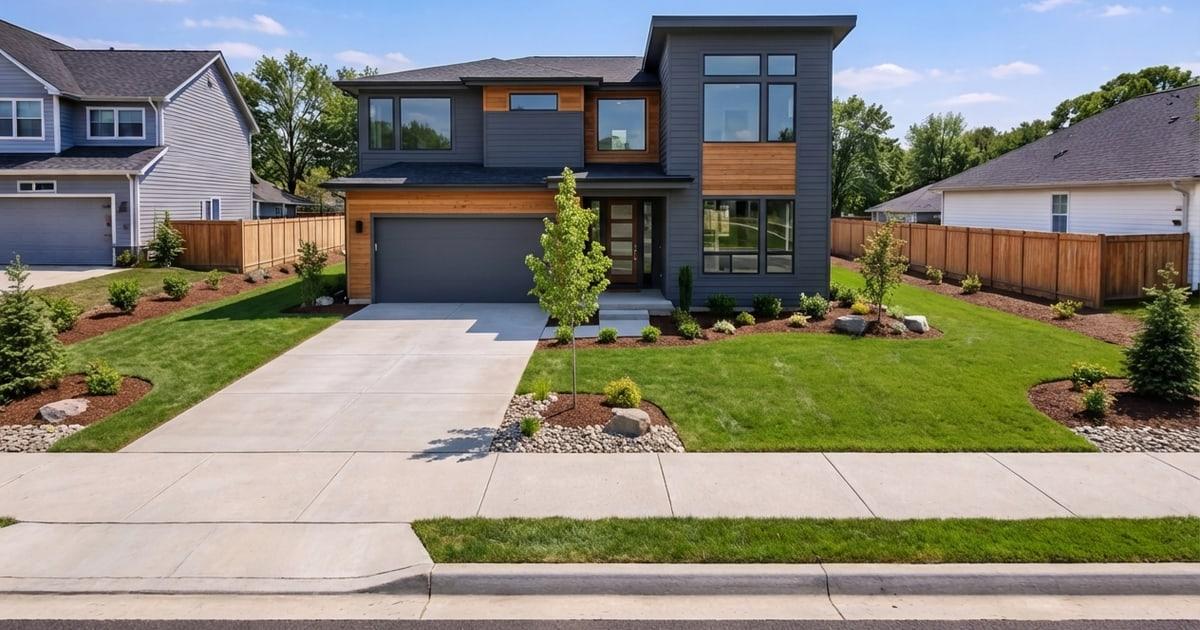
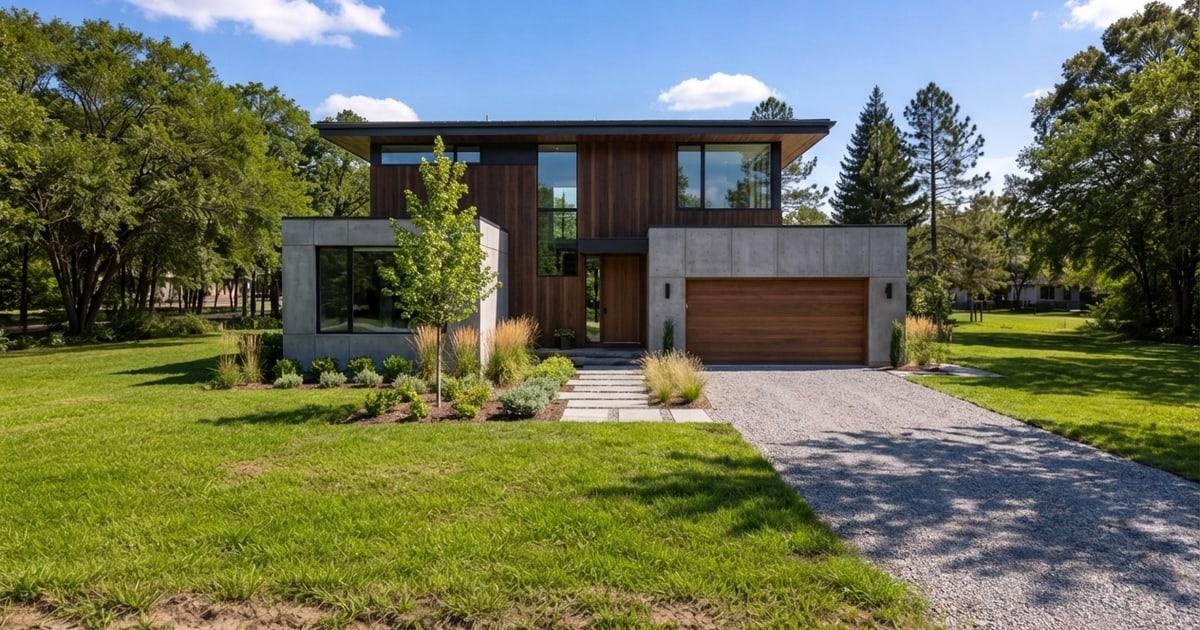
This guide gives you a repeatable land pricing process you can use on lots, acreage, and recreational tracts. If you are also improving marketing presentation, a concept visual can help buyers understand the potential at your chosen price point. See Demo and Features.
Quick answer
Price land by starting with similar sold land, normalizing the sale price, then adjusting for access, utilities, buildability, terrain, restrictions, and seller timeline.
A simple formula is: comparable land baseline plus or minus land-specific adjustments equals a defensible price range. Use price per acre as a check, not as the whole answer.
Free land pricing tool
Want a starting price range before you work through the guide?
Use the free Land Pricing Calculator to estimate a range from acreage, access, utilities, terrain, market conditions, and optional sold comps. Then use the steps below to sanity-check the result.
Open Land Pricing CalculatorFast Land Pricing Formula
If you need a first-pass land value estimate, use this order:
- Find the closest recent sold land comps with similar likely use, acreage, access, utilities, and terrain.
- Convert each comp to a usable baseline: price per lot for small buildable lots, or price per acre for larger tracts.
- Adjust the baseline up or down for road access, power, water or septic path, flood or wetlands risk, slope, restrictions, views, timber, and market pace.
- Pick a list price inside the range based on timeline: lower for speed, middle for market pace, upper only when proof and presentation are strong.
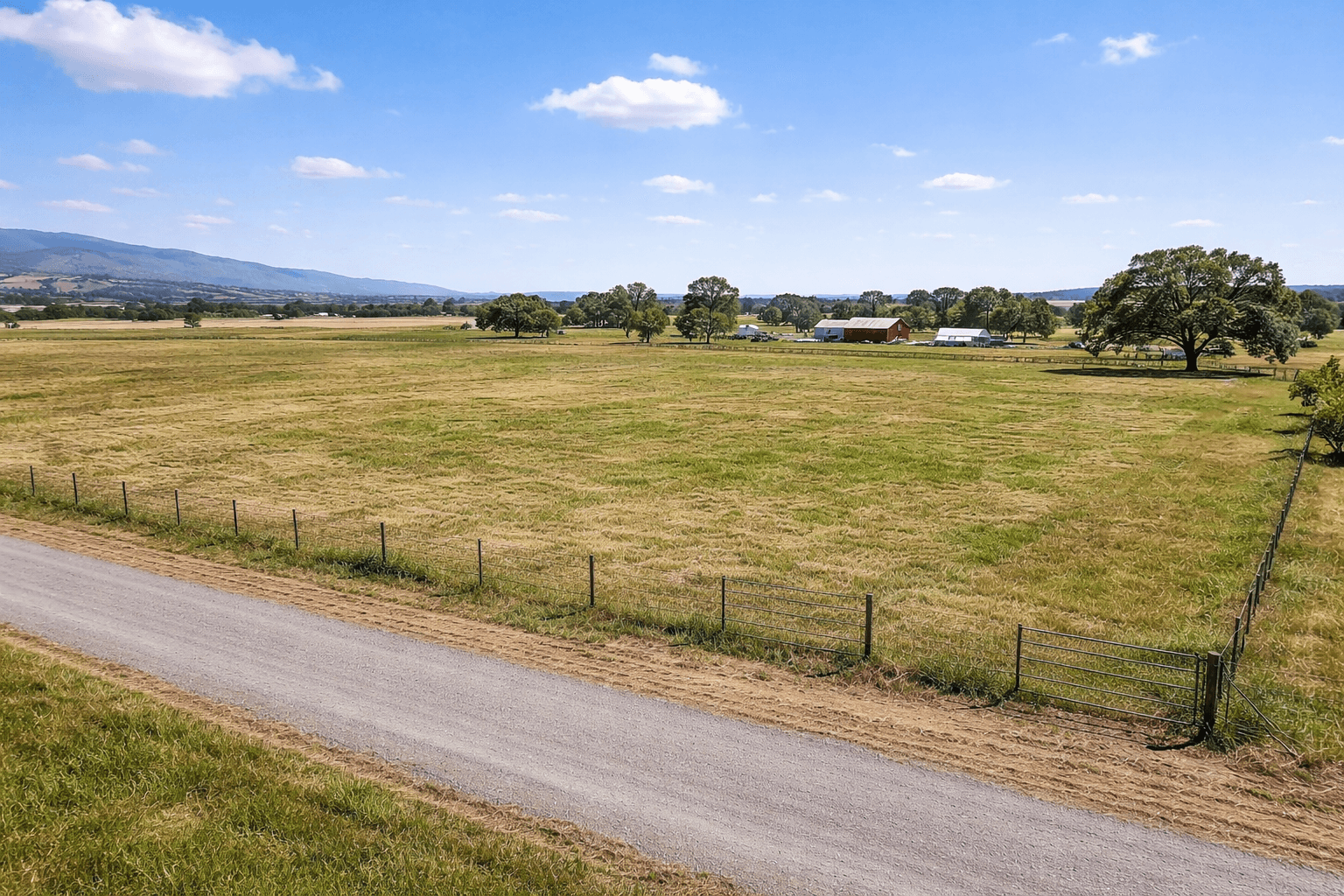
For example, a 5-acre parcel near sold comps at $18,000 per acre does not automatically list at $90,000. If access is unclear, utilities are distant, and only 2 acres are easy to use, the defensible range may be lower. If the parcel has paved access, power at the road, a clean build site, and strong buyer demand, the range may support a premium.
Land Valuation Methods To Know
Most land pricing work starts with the sales comparison method: find similar parcels that actually sold, then adjust for the differences buyers care about. That is the most useful method for many vacant lots and acreage listings.
- Sales comparison: best for ordinary buildable lots, acreage, and recreational tracts when recent sold comps exist.
- Price-per-acre check: useful for sanity checks, but only after you account for parcel size, usability, access, and utilities.
- Income approach: relevant when the land has real income potential, such as farming, grazing, timber, hunting leases, or solar leases.
- Cost or development approach: useful when the buyer is valuing what it would cost to make the land buildable or subdividable.
Where To Find Land Pricing Data
A land price is only as reliable as the inputs behind it. Before you trust a number, gather at least one public-record source and one market source. If the sources disagree, note the reason instead of averaging them together.
- County assessor and GIS: parcel size, assessed land value, land class, tax history, floodplain overlays, and sometimes prior sales.
- Deed and recorder records: sale dates, transfer amounts, ownership changes, easements, and title clues.
- MLS or land portals: recent sold listings, days on market, asking-price history, photos, and buyer-facing presentation.
- Planning and zoning: permitted uses, setbacks, minimum lot size, subdivision rules, access standards, and utility requirements.
- Flood, wetlands, and soil checks: constraints that can reduce the usable area or increase due-diligence risk.
When To Hire A Land Appraiser
Use this guide and the calculator for listing strategy and early research. Hire a licensed or certified appraiser when the value must hold up for a lender, estate, divorce, tax appeal, partnership dispute, conservation deal, condemnation matter, or a high-value sale with limited comps.
The same is true when the parcel has unusual risk: unclear access, possible contamination, wetlands, failed perc history, mineral or timber rights, income-producing leases, subdivision potential, or a highest-and-best-use argument that depends on rezoning.
Land Pricing Checklist (Quick)
- Define the buyer and best use before pulling comps.
- Prioritize sold comps that match access and utilities.
- Normalize pricing (per acre or per square foot) only after you verify buildability.
- Adjust for the big movers: road access, power, water/septic, topography.
- Pick a strategy and a review date (do not drift for months).
- Track feedback: views, saves, calls, and showing requests.
Step 1: Start With Highest And Best Use
Start by answering: Who is the most likely buyer? A builder, a homesite buyer, an investor, or a recreational buyer will underwrite value very differently.
Highest and best use does not mean the most exciting use you can imagine. It means the use that is legally allowed, physically possible, financially realistic, and likely to attract a real buyer in this market.
A simple check: if your listing description says perfect build site but you cannot explain access, utilities, and build area in a few sentences, you are pricing a dream. Tighten the facts first.
Step 2: Pull Comps That Match The Land Realities
When you choose comps, match these first:
- Access type (paved, gravel, private road, easement-only)
- Utilities (power at road, well, sewer vs septic feasibility)
- Buildability (topography, floodplain, soils constraints)
- Distance to the demand driver (town, lake, views)
If you want a comps workflow you can defend, use Vacant Land Comps.
Step 3: Normalize Carefully (Per Acre Is Not Always Your Friend)
Price per acre is common, but it hides the truth. Small buildable lots often price per lot. Large tracts often price per acre, but only after you adjust for usability. A 10-acre parcel with 2 usable acres is not equal to a 10-acre flat meadow.
For a faster first pass, run the same inputs through the Land Pricing Calculator and compare its range against your best sold comps.
Step 4: Make Land-Specific Adjustments (The Big Movers)
If two parcels look similar on paper, these factors can swing value:
- Legal access and road maintenance details
- Power at the road vs distance to connect
- Well and septic feasibility (or sewer availability)
- Topography and usable building area
- Restrictions: HOA, CC&Rs, minimum building size
- Premium features: views, water frontage, usable meadow
If you want an estimate tool you can use as a starting point (not an appraisal), try Land Pricing Calculator.
Step 5: Choose A Pricing Strategy That Matches Your Timeline
Common strategies:
- Market price (best for steady demand)
- Priced to move (best for fast liquidity)
- Stretch price (only if you commit to a hard review date and stronger presentation)
If you list at the top of the range, tighten your marketing. Add better maps, improve photos, and add a concept visual that makes the best use obvious. See How To Sell Vacant Land Faster for the marketing angle.
Step 6: Use Feedback As Data, Not Emotion
After launch, track:
- Listing views and saves
- Calls and texts
- Is it buildable? questions (signal of unclear packet or unclear facts)
- Requests for maps, surveys, or perc info
Patterns to watch:
- High views, low inquiries: price is high or details are unclear.
- Many inquiries, no showings: the listing is exciting but incomplete or untrustworthy.
- Many showings, no offers: price or a due diligence issue.
Common Land Pricing Mistakes
- Using listing comps instead of sold comps.
- Ignoring access, utilities, or buildability differences.
- Pricing off per acre without validating usability.
- Starting too high without a review date.
- Not packaging the facts, causing buyers to assume the worst.
FAQ
What is a simple land pricing formula?
Start with recent sold land comps, normalize to a price-per-acre or price-per-lot baseline, then adjust for access, utilities, buildability, terrain, restrictions, and market timing.
Should I price land per acre?
Sometimes. It is useful for larger tracts and for sanity checks. For small buildable lots, price per lot plus buildability is often more accurate.
What if there are no good comps?
Expand radius, broaden acreage slightly, verify access/utilities, and use multiple sources. In thin markets, a clearer information packet and stronger visuals often matter as much as precise comp math.
How do I find my land value for free?
Start with county records, recent sold land listings, assessor data, and a local price-per-acre anchor. Then adjust for access, utilities, buildability, terrain, and market demand. For a structured first pass, use the Land Pricing Calculator.
Can a land value calculator replace an appraisal?
No. A calculator can help with listing strategy and assumption checks, but it does not replace an appraisal, survey, title review, legal access review, engineering, or permitting advice.
Next: tighten your comp selection with Vacant Land Comps, estimate a starting range with the Land Pricing Calculator, then build a buyer-ready marketing package with Land Marketing Plan.
Note: This guide is informational and is not an appraisal or legal advice.